
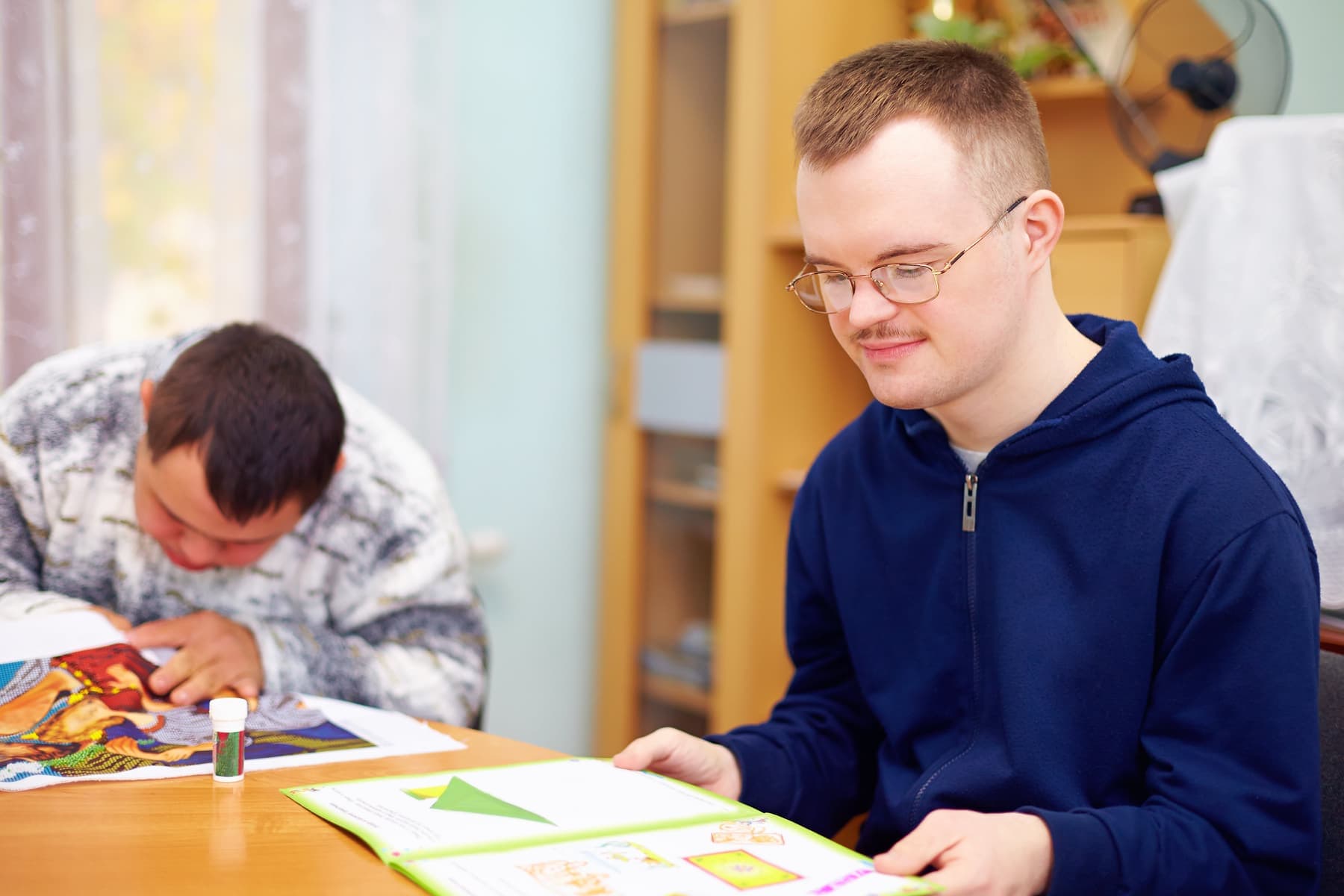
Art has a unique ability to touch our lives, often expressing what words cannot. For individuals with autism and learning disabilities, artistic activities can open new avenues for communication, build self-esteem and provide an outlet for emotions.
Creativity can offer another route to expression — one where there is no single right answer and every contribution can be valued.
Unlocking new forms of communication
Some people with autism and learning disabilities experience challenges with traditional communication. Art offers another way to express thoughts and feelings without relying only on words. Through painting, drawing or sculpting, people can convey emotions and ideas and connect with those around them.
Building confidence and self-esteem
Completing an art project can bring a sense of accomplishment. Recognising and celebrating creative work can encourage people to take on new challenges and support a positive self-image.
Enhancing motor skills and coordination
Artistic activities often involve fine motor skills. Handling brushes, pencils or clay can help develop hand-eye coordination and dexterity that are also useful for daily tasks.
Providing an emotional outlet and stress relief
Engaging in art can be therapeutic. It can give people a safe and constructive way to process emotions, focus their attention and reduce stress.
Encouraging social interaction
Group art projects and classes create opportunities for social engagement. Collaborating on creative activities can support teamwork, social skills and friendship.
Stimulating sensory development
Art can engage several senses at once. Exploring different textures, colours and materials may help people with sensory processing differences become more comfortable with varied sensory input.
How to foster artistic expression
Families and caregivers can support creative interests in simple ways:
- Create a welcoming space: designate an area where making a mess is okay and self-expression is encouraged.
- Offer diverse materials: provide a variety of paints, crayons, paper, clay and other supplies.
- Encourage exploration: allow time to experiment with different materials and techniques at an individual pace.
- Participate together: share art activities to strengthen bonds and encourage communication.
- Celebrate the work: display finished artwork or share it with friends and family.
Connecting with community resources
Community centres and art studios may offer inclusive classes focused on creativity and social interaction. Professional art therapists can provide personalised sessions, and local workshops or events may celebrate the work of artists with diverse abilities.
Embracing the joy of creativity
Artistic expression can enrich the lives of individuals with autism and learning disabilities. By creating an environment that encourages creativity, families and communities can help people explore their interests and potential.